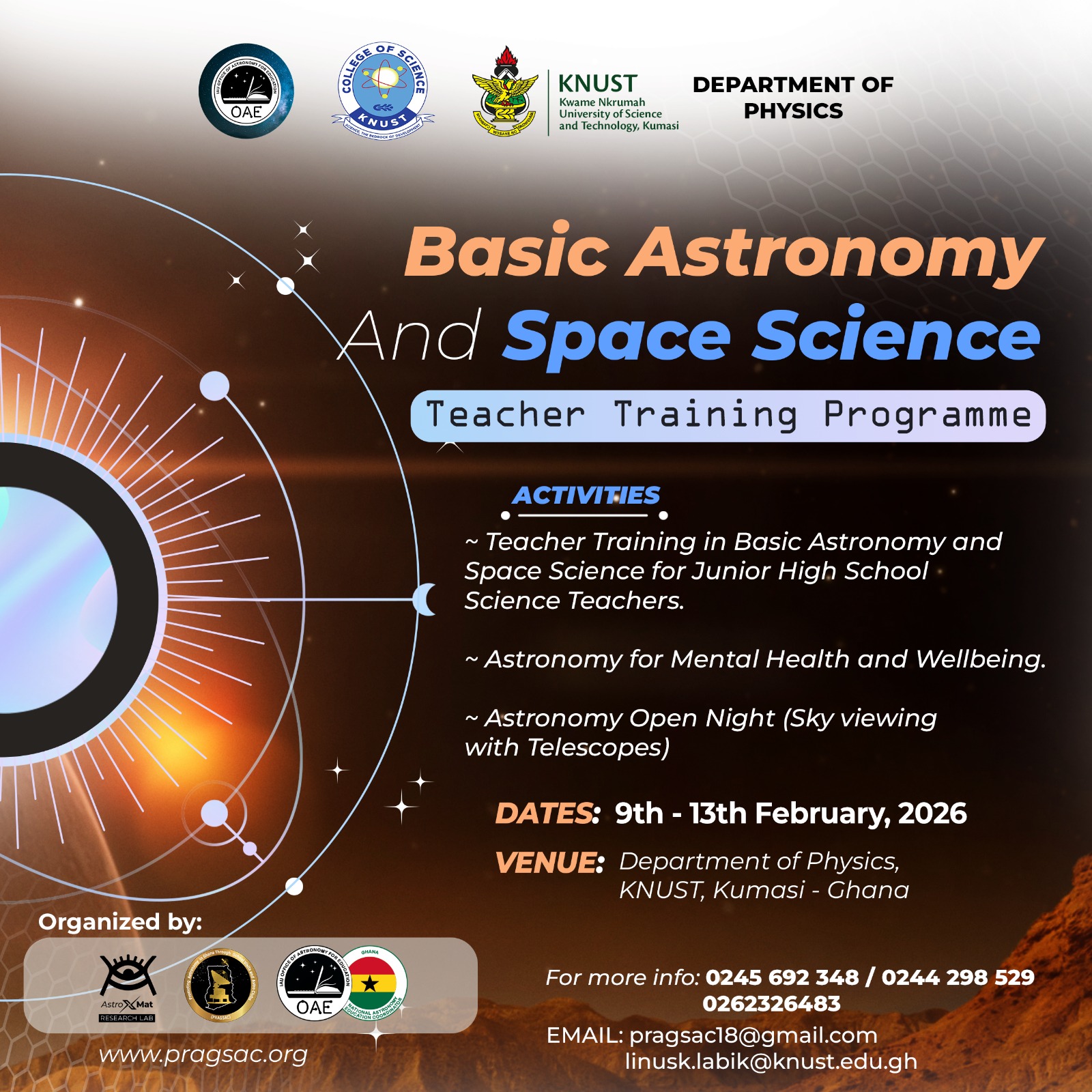
Astronomy Teacher Training Program
Ghana is taking a bold step to make astronomy education more inclusive for exceptional learners. Educators working with students facing diverse learning challenges including those with visual or hearing impairments and learners from underserved communities are often left without accessible resources or specialised training to teach core science topics like the Earth, Sun, Moon, Solar…
Ghana is taking a bold step to make astronomy education more inclusive for exceptional learners. Educators working with students facing diverse learning challenges including those with visual or hearing impairments and learners from underserved communities are often left without accessible resources or specialised training to teach core science topics like the Earth, Sun, Moon, Solar System, Galaxies and many more.
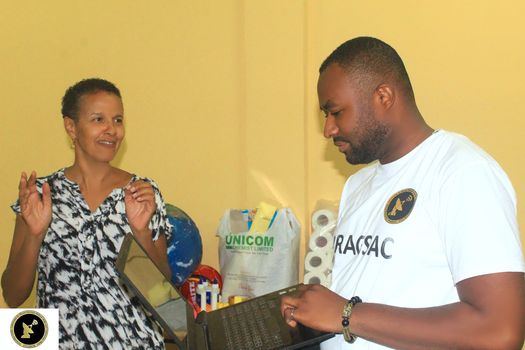
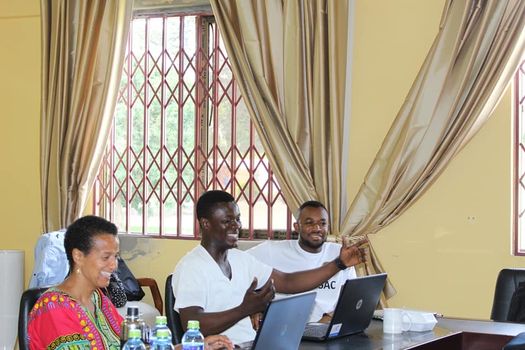
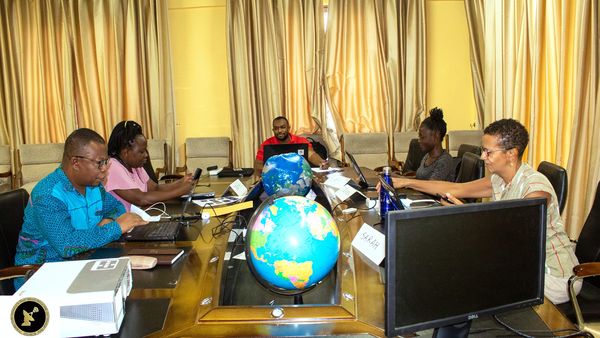
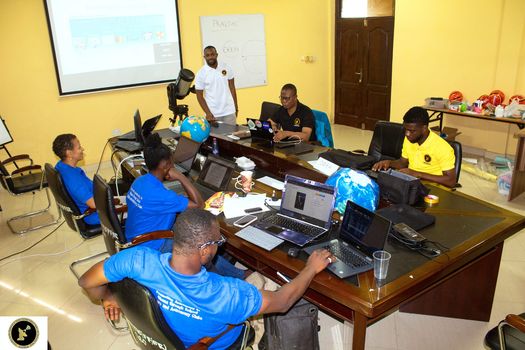
To address this gap, a five-day Astronomy Teacher Training Workshop will be held from February 9th to 13th, 2026 at the Department of Physics, Kwame Nkrumah University of Science and Technology (KNUST) in Kumasi. The workshop brings together teachers from all schools for the blind and deaf across Ghana, along with educators from 15 selected schools in the Ashanti Region.
Topics to be Covered & Activities:
Earth : Shape of the Earth Features of the Earth (continents and oceans, polar regions, equator etc) , Movement of the Earth
Moon: Earth-Moon size comparison, Earth-Moon distance, Features of the Moon, Moon phases.
Sun: Sun Earth size comparison, Earth / Moon / Sun system,
Eclipse : Demonstration of solar and lunar eclipse,
Solar System: Comparison of Planet sizes, Scale of planet distances
Galaxies: What is Galaxy, types of Galaxies
Constellations: Lighting-up the constellations activities
Ghana Radio Astronomy Observatory : Basic Function and operations of the GRAO 32m Dish Telescope
Space Science: What is Space Science?, Satellites, Types of satellites, functions, operations, importance and careers in Space science
Astronomy Open Night Event: Public Star Gazing / Night Sky Observation, Astronomy for Mental Health and Well-being Astronomy in KNUST (Public Event 11th February 2026)
Workshop Highlights:
- Curriculum-aligned instruction in fundamental astronomy concepts
- 70% hands-on, practical activities to ensure real classroom readiness
- Guidance on developing accessible teaching and learning materials using locally available resources
- Tools and strategies tailored to reach learners of all abilities
This initiative supports Ghana’s efforts to improve science education and aligns with the United Nations Sustainable Development Goals (SDG 4: Quality Education and SDG 10: Reduced Inequalities).
The workshop is fully funded by the International Astronomical Union (IAU) — Office of Astronomy for Education (OAE) and supported by the Department of Physics at KNUST, and organized by the PRAGSAC, National Astronomy Education Coordinators of Ghana, in collaboration with the Department of Physics, KNUST.
📅 Workshop Dates: February 9–13, 2026
📍 Venue: Department of Physics, Kwame Nkrumah University of Science and Technology (KNUST), Kumasi
Organising Committee:
Sarah Abotsi-Masters : NAEC/PRAGSAC
Albert Forson :NAEC/ PRAGSAC
Dr. Labik Linus :KNUST
Jemimah Kwakuyi : NAEC / PRAGSAC/KNUST
Sarah Boamah
Facilitators
Albert Forson : PRAGSAC / NAEC
Sarah Abotsi-Masters : PRAGSAC / NAEC
Sarah Boamah : GES Korle Klottey municipal /National Robotics facilitator Accra STEAM center
Dr. Naomi Asabre Frimpong: PRAGSAC/ IAU OAO,JAPAN
Dr. Proven Adzri : GSSTI/GRAO, GHANA
Jemimaah Kwakuyi :PRAGSAC/NAEC/KNUST
Wonder Serwodor: KNUST
Dr. Labik Linus: KNUST
Dr Maura Sandra: Senior Technologist, INAF (Italian National Institute for Astrophysics) ITALY
Jennifer Darko: Department of Space and Climate Physics, University College London
Furgurson Dawuda Abubakari Awuni : KNUST
For more information contact or visit:
Email: pragsac18@gmail.com
FOUNDED BY:
SUPPORTED AND ORGANISED BY: